Omnichannel Brand Activation in Indonesia: Connecting Physical and Digital Consumer Journeys

Explore how Indonesian brands are connecting physical and digital touchpoints through omnichannel brand activation to create more coherent consumer journeys.
Omnichannel Brand Activation in Indonesia: Connecting the Consumer Journey
Indonesian consumers rarely interact with a brand through just one channel.
A customer might first discover a product on social media, encounter it again during a mall activation, read reviews online, and later complete the purchase through a marketplace or retail store.
From the consumer’s perspective, this is a single journey.
Inside many organizations, however, these moments are still managed as separate activities.
Digital campaigns, retail promotions, brand activations, and influencer collaborations are often planned and executed independently. Each initiative may perform well on its own terms, but the overall experience for the consumer can feel disconnected.
This is why omnichannel brand activation is becoming an increasingly important focus for marketing leaders in Indonesia.
Rather than treating physical and digital engagement as separate channels, omnichannel approaches aim to connect them into a more coherent and continuous experience for the consumer.
The Reality of Today’s Indonesian Consumer Journey
Indonesia’s consumer landscape has changed rapidly over the past decade.
According to the Google, Temasek, and Bain e-Conomy SEA report, Indonesia continues to lead Southeast Asia’s digital growth, with millions of consumers regularly moving between online platforms and offline retail environments.
Yet physical experiences still carry significant influence.
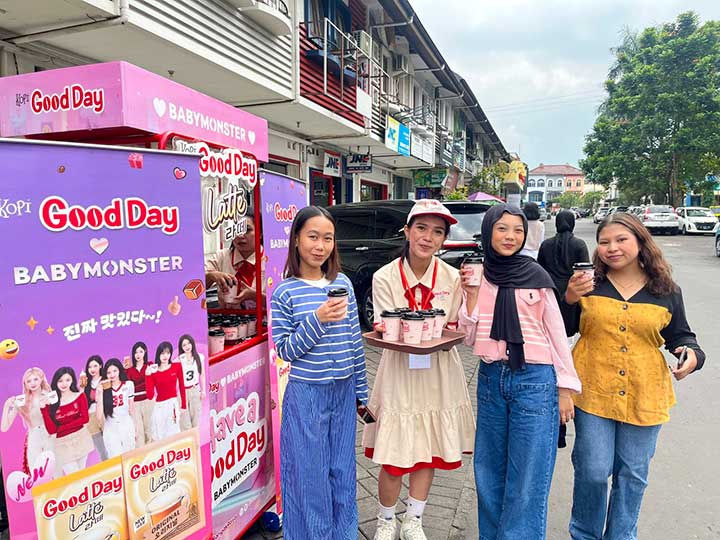
Shopping malls remain vibrant spaces for product discovery. Community events, in-store demonstrations, and local activations continue to shape how consumers experience brands.
As a result, Indonesian consumers expect brands to be present in both environments.
They discover brands online.They explore them offline.And they often purchase wherever it feels most convenient.
The expectation from the consumer side is simple. The brand experience should feel consistent across these interactions.
For organizations, achieving that consistency is not always straightforward.
Why the Gap Between Channels Still Exists
Many companies have already invested in both digital marketing and offline brand experiences.
The challenge is not the absence of activity. It is the lack of integration between those activities.
There are several reasons why this gap still appears.
Marketing Is Still Organized by Channel
In many organizations, digital marketing, retail marketing, and event activations are handled by different teams or external partners.
Each team has its own timelines, performance metrics, and priorities.
Even with good coordination, campaigns often come together only near the end of the planning process. By that point, it can be difficult to shape a truly integrated experience.
Data Exists but Often Remains Fragmented
Today’s brands collect significant amounts of consumer information.
This includes:
Online browsing behavior
Marketplace purchase data
Loyalty program participation
Social media engagement
Event registrations
However, these datasets frequently sit in different systems across the organization.
Without integration, it becomes difficult to see how a consumer moves across different touchpoints before making a purchase.
This limits the ability to personalize communication or refine the overall journey.
Physical Activations Are Often Treated as One-Off Events
Brand activations remain one of the most effective ways to build direct engagement with consumers.
They allow people to experience products, interact with brand representatives, and create memorable moments.
However, many activations are still designed as standalone experiences.
Opportunities to extend the relationship beyond the event are sometimes missed. For example:
Capturing meaningful consumer data
Connecting the experience with digital platforms
Personalizing follow-up engagement
Tracking long-term conversion
When these elements are integrated, the value of a physical activation can extend far beyond the day of the event.
When Physical and Digital Begin to Work Together
Brands that successfully connect their channels begin to see a different pattern emerge.
Instead of isolated campaigns, they build a sequence of interactions that guide consumers through the journey.
For example, a consumer might:
Discover a product through social media content
Register for a trial experience at a mall activation
Receive personalized information after the event
Purchase through a marketplace or retail outlet
Join a loyalty program for future engagement
Each interaction reinforces the next.
According to McKinsey, companies that develop strong personalization capabilities often see improvements in both customer satisfaction and long-term revenue performance.
In markets like Indonesia, where physical interaction still plays a large role in purchasing decisions, combining digital intelligence with real-world engagement can be particularly effective.
What This Means for Brand Activation Strategy
For marketing leaders, the question is no longer whether physical or digital channels are more important.
Both play different roles in the consumer journey.
The more useful question is how these interactions can support each other more effectively.
This requires thinking about brand activation not simply as an event, but as one touchpoint within a broader system of engagement.
When designed with this perspective, activations can contribute to:
Consumer data collection
Digital engagement growth
Retail conversion
Community building around the brand
In other words, the activation becomes part of an ongoing relationship rather than a single moment.
The Role of Structured Activation Support
Building integrated experiences across multiple cities, retail locations, and digital platforms can be complex.
It requires coordination between marketing strategy, event execution, digital engagement tools, and data systems.
For many organizations, this is where external activation partners can provide additional structure and operational clarity.
Within the F4Elements ecosystem, Reflex focuses on helping brands translate marketing objectives into activation programs that connect physical and digital touchpoints more effectively.
The aim is not simply to execute events, but to support companies in building experiences that fit within a broader consumer journey.
A Useful Question for Marketing Leaders
Many brands already run successful campaigns across multiple channels.
The more strategic question is whether those activities are reinforcing one another.
Are digital campaigns driving meaningful participation in physical experiences?
Are activations contributing useful insights about consumer behavior?
And are these interactions helping guide consumers toward long-term engagement with the brand?
Exploring these questions can often reveal opportunities to bring greater structure and clarity to brand activation strategies.
For organizations interested in exploring that discussion, the team at Reflex is always open to a conversation about how omnichannel activation approaches might support future campaigns.
Sometimes the most valuable starting point is simply comparing perspectives.
👉 Get our credentials today and see how Reflex can help you transform your next brand activation into an unforgettable experience